
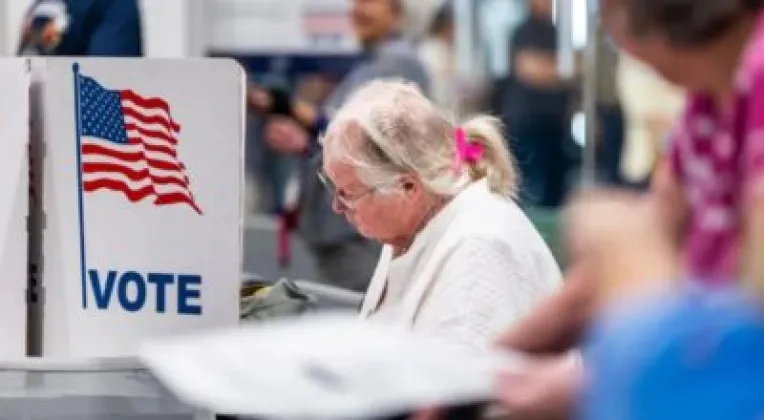
More than 43 million Americans have already cast their ballots in the United States midterm elections, with less than a week remaining before voting day. Data from the University of Florida's Election Lab show that between 4 and 5 million people are voting early every day, a figure higher than in most recent elections. The outcome will decide which party controls the US Congress for the next two years, and early voting has been especially high in Texas. As reported by Khabarhub, the pace of early balloting points to an electorate that is turning out in force well before polls formally open.
A rapid early voting pace in the final week
The figures come from the University of Florida's Election Lab, an academic project that tracks how many Americans vote ahead of Election Day, whether in person at early voting locations or by mail. Its running tally shows early voting proceeding at a remarkable clip as the campaign enters its final days.
The key numbers so far stand out:
- More than 43 million early ballots have already been cast across the United States.
- Between 4 and 5 million people are voting early each day.
- Less than one week remains before voting day.
That daily rate, according to the Election Lab, is higher than in most recent elections, meaning Americans are heading to the polls early at a pace few recent campaigns have matched. Early voting has become a central feature of the modern US electoral process, giving voters the flexibility to cast their ballots on their own schedule rather than waiting for a single voting day. The current surge suggests millions of voters are taking full advantage of that flexibility, locking in their choices in the days leading up to the election itself.
Control of Congress hangs in the balance
The intensity of the early vote reflects what is at stake. These midterm elections will determine which party controls the US Congress for the next two years. The majority party in Congress decides which bills advance, leads the committees that shape legislation and examine the workings of government, and effectively sets the legislative agenda in Washington. Whoever holds the majority will spend the next two years steering the federal agenda.
Midterm elections are held at the halfway point of a presidential term, and the Congress that emerges from this vote will shape federal lawmaking until the next nationwide elections. Because congressional majorities determine whether a legislative program moves forward or stalls, control of the institution is the central prize for both of the country's major parties.
The heavy early turnout also indicates that voters are engaging with these stakes directly. With more than 43 million ballots already banked and millions more being added each day, a substantial share of the electorate will have made its voice heard before voting day even arrives, a level of engagement that stands out when measured against most recent election cycles.
Texas stands out in the early voting surge
While the surge is national in scope, early voting has been especially high in Texas. Voters there have turned out in notably large numbers during the early voting period, and the state's strong showing adds considerable weight to the national total. As one of the most populous states in the country, Texas commands a large share of the overall US electorate, so robust early turnout there has an outsized effect on the figures being tracked nationwide.
The prominence of Texas in the early voting data illustrates the broader pattern of this election: exceptionally high daily turnout across the country, with individual states contributing heavily to the cumulative figure. While the Election Lab monitors the national picture, the notable enthusiasm among Texas voters underlines how individual states can drive the overall totals upward in the closing days of early voting.
The countdown to voting day
With less than a week remaining, the early voting totals are set to keep climbing. At the current pace of 4 to 5 million ballots per day, the national figure will continue to rise substantially in the days ahead, building on the more than 43 million votes already cast. When voting day arrives, those early ballots will be counted alongside votes cast on the day itself to produce the result that determines the composition of the next Congress.
For now, the numbers tell a clear story. Americans are voting early in extraordinary numbers, at a faster daily pace than in most recent elections, ahead of a contest that will shape the balance of power in Washington for the next two years. The final days of early voting, followed by voting day itself, will decide which party emerges with control of Congress and the authority that comes with it.


