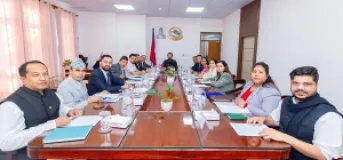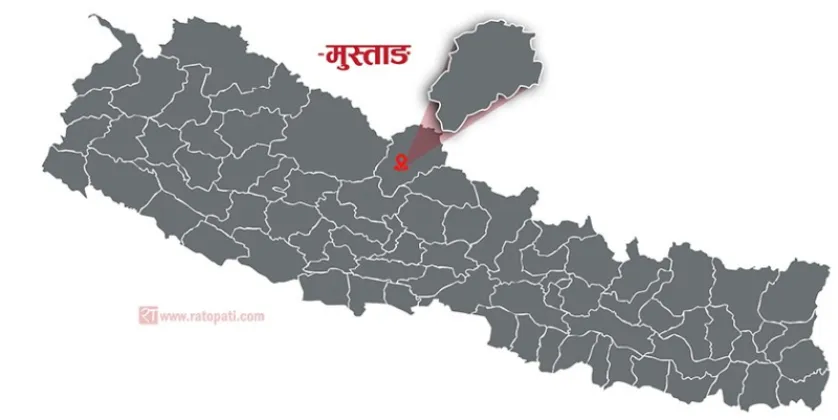
A one-week training focused on preparing dishes from indigenous crops has been held at Marang, a village within Loghekar Damodarkunda Rural Municipality in Upper Mustang, in a bid to strengthen the hospitality capacity of the area's growing homestay sector. The programme was organised by the Lomanthang office of the Annapurna Conservation Area Project (ACAP) for the homestay and tourism entrepreneurs of Lo-Marang, and it aimed to develop the cooking skills and overall capacity of households running community homestays as well as other local residents.
The initiative, reported by RatoPati and Khabarhub, connects the kitchens of Upper Mustang's community homestays more closely with the crops that local families have cultivated for generations in one of Nepal's most remote trans-Himalayan landscapes.
Building skills for the homestay economy
The stated purpose of the programme was skill and capacity development. Households operating community homestays in Marang, together with other interested residents, formed the core of the training, reflecting an approach that treats tourism not simply as a source of visitor numbers but as a livelihood tool for individual families.
The key details of the programme can be summarised as follows:
- Venue: Marang, Loghekar Damodarkunda Rural Municipality, Upper Mustang
- Duration: One week
- Organiser: ACAP Lomanthang
- Participants: Lo-Marang homestay and tourism entrepreneurs and other local residents
- Focus: Skill development in cooking dishes made from indigenous crops
Food is central to the homestay experience. In villages like Marang, where standalone restaurants and hotels are limited, the homestay kitchen is effectively the dining room for visiting tourists, and the quality and variety of what is served can shape a guest's entire impression of a trip. By targeting cooking skills directly, the organisers are working on the most practical point of contact between local households and the tourism economy.
Indigenous crops on the plate
Upper Mustang sits in a high-altitude, arid zone where agriculture is shaped by a short growing season and scarce water. Crops traditionally grown in the trans-Himalayan belt, such as buckwheat, barley, wheat, millet and potatoes, form the backbone of local food culture, and dishes prepared from these grains are part of the region's identity.
Training focused specifically on indigenous crop dishes carries significance beyond the kitchen. It encourages the use of locally grown ingredients over foodstuffs imported from lower regions along long and difficult supply routes. It also supports value addition at the household level, allowing farmers to turn raw produce into prepared meals that can be sold directly to guests, keeping a larger share of tourism income within the village.
There is a heritage dimension as well. As tourism grows in remoter corners of the country, culinary traditions linked to indigenous crops risk being displaced by generic menus. Programmes that teach entrepreneurs to prepare local dishes properly help preserve recipes and food knowledge while giving visitors a more authentic taste of the place they have travelled far to see.
Conservation and community tourism in Upper Mustang
The involvement of ACAP Lomanthang places the training within a longer tradition of community-based tourism in the Annapurna Conservation Area, Nepal's largest protected landscape. The Annapurna Conservation Area Project has long worked on the principle that conservation succeeds when local communities benefit from protecting their environment, and its Lomanthang office serves the Upper Mustang section of the conservation area, extending that model into the high trans-Himalayan valleys near the Tibetan border.
Upper Mustang has become a sought-after destination for trekkers and cultural tourists, drawn by the historic walled city of Lomanthang, ancient cave settlements, monasteries and the distinctive culture of the region. Tourism is a vital source of income in a landscape where farming alone offers limited returns.
Community homestays have emerged as one way of spreading that income more widely. Rather than concentrating earnings in a few lodges along the main trekking routes, homestays allow families in outlying villages such as Marang to host guests directly. For this model to work, households need a range of skills, and cooking is among the most important of them.
Capacity that reaches the kitchen
A week-long format gives participants sustained, hands-on time with ingredients and techniques, which is more substantial than a single-day orientation. The organisers' stated aim, as reflected in both reports, was to build the cooking skills and capacity of the participating households, and the training on indigenous crop dishes aligns with that goal.
The expectation behind such skill development programmes is that trained entrepreneurs will incorporate the dishes they learn into their homestay menus, improving the quality and distinctiveness of what they offer guests. Better food can translate into better reviews, more visitors and steadier income for the households involved.
For Marang, the training represents a small but practical step in linking the tourism that Upper Mustang is known for with the day-to-day economies of its villages. It underlines a simple equation at the heart of community tourism: when local families gain the skills to serve visitors well, the benefits of travel reach further into the mountains, and the food traditions of the region gain a new lease of life at the same time.