
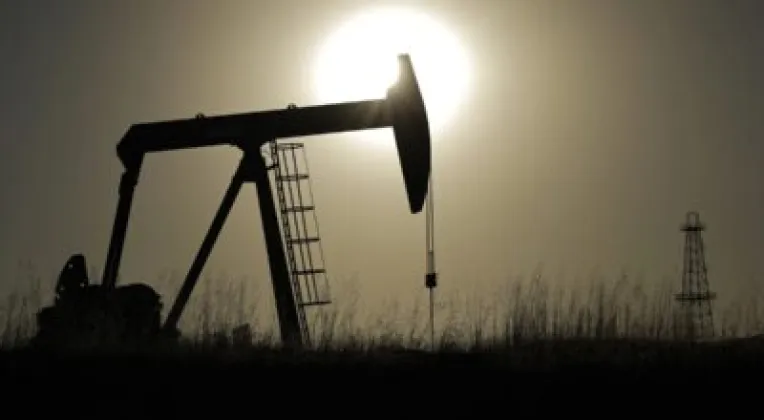
Oil prices dropped more than four percent on Monday after reports that US President Donald Trump wanted to negotiate with Iran, raising hopes that the war in the Middle East could be brought to an end. The decline gathered momentum after Iran said it was ready to reopen the Strait of Hormuz, one of the world's most critical oil shipping routes, if other conditions linked to the conflict were met. The sharp move came as Trump prepared for the pivotal midterm elections in the United States, adding a layer of domestic political significance to the diplomatic signals emerging from Washington and Tehran.
Diplomatic hopes drag oil sharply lower
A fall of more than four percent in a single session is a substantial move for a commodity market that underpins the global economy, and it reflected how closely traders have been tracking every statement out of Washington and Tehran. Oil prices routinely climb when conflict threatens the flow of crude, and they fall just as quickly when diplomatic openings appear, because the risk of supply disruption is the single most powerful force acting on the market.
Reports that Trump was seeking talks with Iran offered exactly that kind of opening. According to a report published by Khabarhub, the US president's interest in negotiation raised hopes of ending the Middle East war, and investors responded by selling crude heavily on Monday.
For consumers, the immediate effect will take time to filter through, but sustained declines in crude generally translate into cheaper petrol, diesel and other refined products in the weeks that follow. That prospect carries real weight in economies that import their fuel, including Nepal, which buys its petroleum products entirely from abroad and where domestic prices move with the international market.
Iran's conditional offer on the Strait of Hormuz
Iran's statement provided the second pillar of the day's news. Tehran said it is ready to reopen the Strait of Hormuz if other conditions related to the conflict are met, a formulation that both signalled flexibility and kept pressure on Washington.
The waterway matters enormously. The strait links the oil-rich Persian Gulf to the open ocean and serves as the principal export route for crude leaving the region, which makes its status a central concern for energy markets worldwide. Iran's reference to reopening the passage indicated that it has been shut as the conflict has continued, and that a return to normal shipping traffic is now being framed by Tehran as a bargaining chip rather than a unilateral concession.
By tying the reopening to conditions, Iran left open the possibility of a step that would dramatically ease pressure on global supply, while ensuring that any such move would come as part of a broader settlement rather than as a simple gesture of goodwill. For traders, the statement was enough to reinforce the diplomatic narrative that drove Monday's sell-off, even though the conditions themselves remain undefined.
Midterm elections shadow the market moves
The timing of the developments is politically charged. Trump is preparing for the pivotal midterm elections, in which every seat in the House of Representatives and a third of the Senate will be contested and which are widely treated as a referendum on the sitting president's performance. Energy prices hold a prominent place in American political life, because fuel costs are among the most visible indicators of household expenses.
Against that backdrop, reports that the president wants to negotiate an end to the war, paired with the prospect of a vital shipping lane reopening, present a potentially significant storyline for the campaign. A credible path to peace, and any easing of fuel costs that follows, would count as tangible achievements that the administration could point to before voters go to the polls. At the same time, any breakdown in the diplomatic signalling risks reviving the very price pressures that have weighed on consumers, making the intersection of energy markets and electoral politics unusually direct.
What to watch next
With both Washington and Tehran appearing to signal openness, attention now turns to whether the rhetoric hardens into concrete diplomacy.
Key points at a glance
- Confirmation of talks: whether the reported US interest in negotiation is followed by an official announcement and a timeline for discussions.
- Iran's conditions: the specifics Tehran attaches to reopening the Strait of Hormuz, and whether the two sides can agree on them.
- The state of the strait: when shipping through the waterway might return to normal, and how quickly oil markets respond to any reopening.
- The election calendar: how energy prices and the war feature in the midterm campaign as polling day approaches.
For now, markets have rewarded the possibility of peace rather than its achievement. The more than four percent decline reflects expectations that negotiations could end the war and restore the free flow of oil through Hormuz, but those expectations rest on statements that have yet to be translated into agreed terms. Until talks are confirmed in practice and Iran's conditions are spelled out, Monday's easing leaves oil prices hostage to the next headline from the region.


