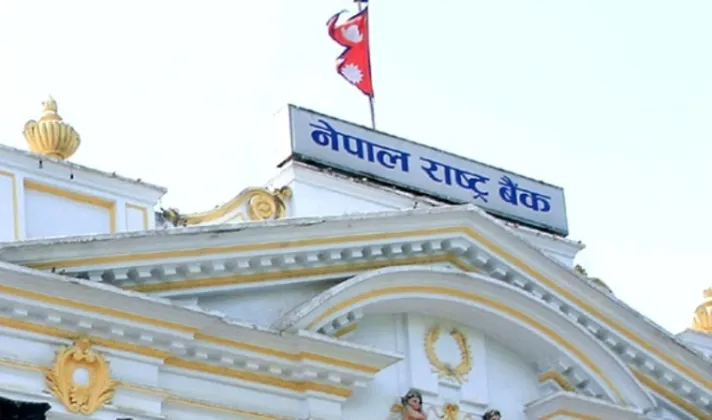
Nepal Rastra Bank, the country's central bank, is putting gold and silver coins on sale for the general public from Thursday as part of the Tihar festival season. The bank will offer a 2.5-gram gold ashrafi and a 10-gram silver medallion, each bearing the images of goddess Laxmi and Lord Ganesh, from its Taksar Mahashakha at Babarmahal in Kathmandu. Sales will run on Thursday and Friday, and every buyer will be limited to one gold ashrafi and one silver medallion, according to details published by Nepal Lead.
What Is on Offer and the Buying Rules
The festive offering consists of two distinct items that the central bank will sell directly to individuals who visit the designated counter. The first is a gold ashrafi weighing 2.5 grams, and the second is a silver medallion weighing 10 grams. Both coins carry the images of Laxmi, the Hindu goddess of wealth, and Ganesh, the deity associated with auspicious beginnings, a pairing that occupies a central place in Tihar worship.
The key details of the sale are as follows:
- Item one: 2.5-gram gold ashrafi, limited to one per person
- Item two: 10-gram silver medallion, limited to one per person
- Images: Goddess Laxmi and Lord Ganesh on the coins
- Venue: Taksar Mahashakha, Babarmahal, Kathmandu
- Days: Thursday and Friday only
The per-person cap applies to each individual buyer, which means a household hoping to acquire more than one of each coin would need more than one member to make the purchase in person. The announcement focuses on the sale window, the venue and the per-person limits, with the coins being made available to the general public rather than to institutions or bulk buyers.
Where and When to Buy
The sale will take place at a single location: the bank's Taksar Mahashakha at Babarmahal in Kathmandu. This branch serves as the central bank's designated counter for selling coins to the public, and it is the only place where the Tihar coins can be purchased during this sale window.
Sales begin on Thursday and will continue on Friday, giving interested buyers a two-day window to make their purchases. Prospective buyers will therefore need to visit the Babarmahal branch in person on one of those two days, as the announcement does not indicate any extension of the sale beyond Friday or any alternative purchase channels such as other branches of the bank.
A Festival Tradition of Gold and Silver
The release of the coins comes at a moment when interest in precious metals traditionally peaks across Nepal. Tihar, widely known as the festival of lights, is one of the country's most important celebrations, observed over several days with the worship of the crow, the dog, the cow and the ox, before culminating in Laxmi Puja. On the night of Laxmi Puja, households light oil lamps, decorate their courtyards and welcome goddess Laxmi, praying for prosperity and good fortune in the year ahead.
Buying gold and silver around Tihar is considered auspicious in Nepali culture. Families often purchase jewellery, coins and small medallions during the festival, and jewellers across the country typically see brisk business in the days leading up to Laxmi Puja. Coins bearing the images of Laxmi and Ganesh are especially popular, since the two deities are worshipped together in homes during the festival, and such coins are frequently kept as keepsakes, given as gifts to relatives, or used in household worship.
Coins issued by the central bank carry particular appeal in this context. Because they are minted and sold by Nepal Rastra Bank, buyers receive an assurance of standard weight and authenticity that informal market purchases may not always provide. This makes the ashrafi and medallion attractive both as festive purchases and as items to be preserved within families.
The Central Bank's Festive Coin Releases
Nepal Rastra Bank has long played a role beyond currency management, and the periodic sale of commemorative coins and medallions to the public is one of its most visible public-facing activities. The Taksar Mahashakha serves as the outlet for these sales, and the bank has in the past released gold ashrafis and silver medallions around major celebrations, with Tihar being a key occasion for such offerings.
The latest release follows the familiar pattern: a fixed design bearing religious imagery, a defined weight for each coin, a strict per-person limit and a short sale window at a single Kathmandu venue. The limit of one gold ashrafi and one silver medallion per buyer is consistent with the bank's approach of spreading access to the coins among as many members of the public as possible during the limited festival-season sale.
For buyers, the practical message is straightforward. Anyone wishing to purchase this year's Tihar coins should plan a visit to the Taksar Mahashakha at Babarmahal on Thursday or Friday, keeping in mind that each person can buy only one 2.5-gram gold ashrafi and one 10-gram silver medallion. With the festival season under way and demand for gold and silver traditionally strong at this time of year, the two-day sale offers a defined and limited opportunity for the public to obtain the central bank's festive coins.