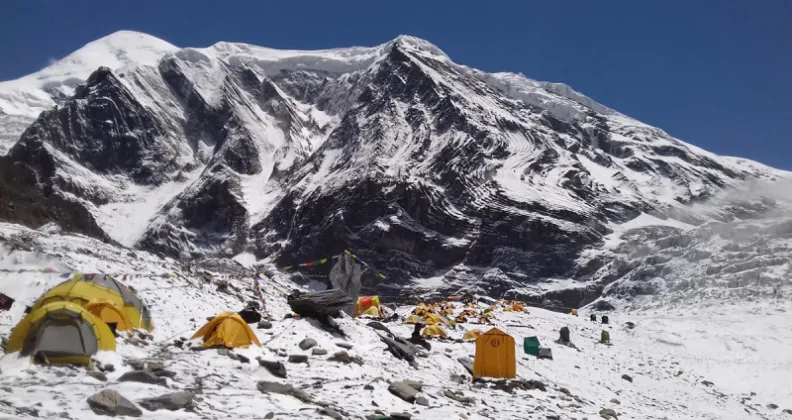
Nepal has issued mountaineering permits to 1,493 climbers from 76 countries for the ongoing autumn climbing season, according to official data from the Ministry of Culture, Tourism and Civil Aviation and the Department of Tourism. The permits, granted to a total of 171 climbing teams, have generated royalty revenue of approximately Rs 32.37 crore for the government. The figures, recorded as of Kartik 12 of the Nepali calendar, underline the continued pull of the country's Himalayan peaks among international mountaineers during the post-monsoon climbing window.
Key Figures at a Glance
The Department of Tourism, the government body responsible for processing expedition applications and issuing climbing permits, compiled the data as the autumn season moved into full swing. The figures cover climbers and teams that have completed formalities for peaks across the Nepal Himalaya this season.
The headline numbers from the official data are as follows:
- Total climbers permitted: 1,493
- Countries represented: 76
- Climbing teams: 171
- Royalty collected: about Rs 32.37 crore, roughly Rs 323.7 million
- Data recorded as of: Kartik 12, current autumn season
The participation of climbers from 76 countries points to the wide international reach of Nepal's mountaineering sector, with expeditions arriving from across Asia, Europe, the Americas and beyond. Royalty collected through these permits is a mandatory requirement for anyone seeking to scale peaks in the country, making it one of the more reliable and measurable streams of tourism-related government revenue. Arthasarokar reported the royalty collection at about Rs 323.7 million, consistent with the Rs 32.37 crore figure cited in official records.
Autumn: Nepal's Second Major Climbing Window
Nepal's mountaineering calendar is built around two main climbing seasons. The spring season, from roughly March to May, traditionally draws the largest number of expeditions, while the autumn season, which follows the monsoon, offers stable weather windows, clear skies and dependable views of the high peaks. The autumn window has long served as a crucial second pillar of the climbing economy, giving operators, guides and high-altitude workers a second stretch of concentrated activity each year.
The strong turnout recorded as of Kartik 12 suggests that international climbers have continued to commit to autumn expeditions in significant numbers. With 171 teams formally registered, the season's activity spans a broad cross-section of the mountaineering community, from large commercial expeditions to smaller independent groups. The figures also reflect the logistical lead time involved in mountaineering: teams typically apply for permits well in advance, coordinate with licensed trekking and mountaineering agencies, and mobilize equipment, oxygen supplies and support staff before heading into the mountains.
Revenue and the Wider Economy
The Rs 32.37 crore collected in royalties so far this autumn represents a direct contribution to government revenue, but the economic footprint of mountaineering extends well beyond permit fees. Expedition spending flows through a wide network of sectors that depend on the climbing calendar, including:
- Licensed guides, climbing Sherpas and high-altitude workers
- Porters and mule teams moving supplies to base camps
- Lodges, hotels and restaurants in gateway towns and along approach routes
- Domestic airlines and helicopter operators ferrying climbers and cargo
- Equipment suppliers, insurers and trekking agencies
For communities scattered around Nepal's mountain regions, the autumn and spring seasons are among the most important earning periods of the year. The scale of this season's registrations, spanning teams from 76 countries, therefore has implications that reach from the Department of Tourism's royalty accounts to village economies at the foot of the peaks. Mountaineering remains one of Nepal's signature tourism products, and official permit data is closely watched as an indicator of the sector's health and of international confidence in travel to Nepal.
Outlook for the Season
Because the official figures were recorded as of Kartik 12, they represent a snapshot of the season rather than a final tally. The Ministry of Culture, Tourism and Civil Aviation and the Department of Tourism typically update permit statistics as additional teams complete processing, meaning the season's final totals for climbers, teams and royalty collection may still be revised.
Even so, the numbers released so far point to robust foreign interest in Nepal's mountains this autumn. Pradesh Khabar reported the official figures, noting that the 1,493 climbers from 76 countries reflect strong international demand for Himalayan climbing this season. For a country whose tourism identity is inseparable from its peaks, a healthy autumn season reinforces Nepal's standing as a premier mountaineering destination and provides a welcome boost to the industry as the year draws toward its close. The royalty income of roughly Rs 32.37 crore collected to date further underlines how central mountaineering permits have become to the financing of the tourism sector and to the government's broader revenue base.