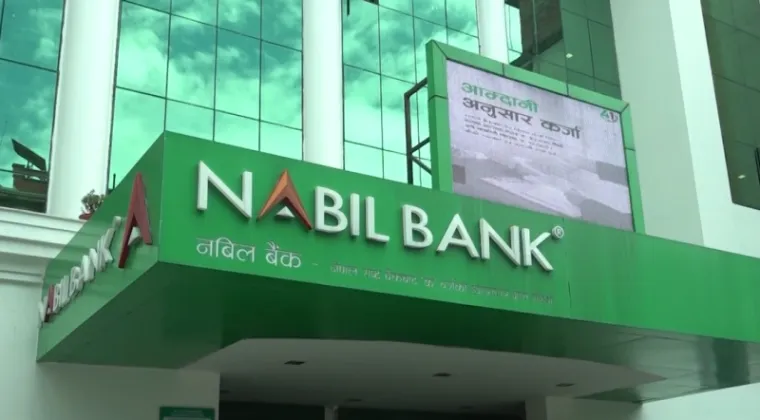
Nabil Bank has reported a 45 percent increase in its net profit, according to news reports published on Sunday, November 1, 2026. The announcement was carried by two Nepali media outlets, Nepal Samaya and Nepal Views, although neither report included a detailed breakdown of the figures behind the headline number. Even so, a rise of this scale is a significant result for a commercial bank of Nabil's standing in Nepal's financial sector, and it is the kind of figure that naturally draws attention from investors, depositors and market watchers across the country.
A Strong Headline Number for a Major Nepali Bank
Net profit, the surplus that remains after a bank has covered its interest expenses, operating costs, loan-loss provisions and taxes, is the single most quoted measure of a bank's bottom-line performance. For Nabil Bank, a prominent name in Nepal's commercial banking industry, a reported 45 percent jump in net profit represents a substantial expansion in profitability and a notably positive earnings headline.
Profit announcements of this kind matter well beyond the boardroom. In Nepal's banking system, where commercial banks collectively channel the bulk of the economy's credit, the profitability of individual institutions is read as a signal of asset quality, the interest-rate environment and overall financial stability. A double-digit percentage increase in net profit is generally regarded as strong performance, and a figure approaching 50 percent stands out even more.
What the Reports Confirm
Based on the available reporting, the confirmed facts are straightforward:
- Profit growth of 45 percent: Nabil Bank's net profit has increased by 45 percent.
- Date of the report: The news was published on Sunday, November 1, 2026.
- Media coverage: The story was reported by both Nepal Samaya and Nepal Views.
Beyond these headline points, the initial reports stop short of the granular detail that analysts and investors usually look for in a bank earnings story.
Why the Missing Details Matter
The reports did not specify the exact amount of the net profit, the period it covers, or the comparative figures against which the 45 percent growth is measured. For readers seeking a complete picture of the bank's performance, several pieces of information would normally be essential:
- The absolute profit figure and the base period used for comparison.
- The main drivers of the increase, such as net interest income, fee-based income, operating efficiency or lower loan-loss provisioning.
- Asset quality indicators, including the level of non-performing loans.
- Capital adequacy, liquidity and deposit growth figures.
- Earnings per share and any implications for future dividends.
Until those numbers are made available through the bank's official financial disclosures, the 45 percent growth figure stands as the principal confirmed takeaway from the reports.
Context: How to Read a Bank Profit Announcement
Profit growth in banking can arise from several different sources. It may reflect a wider net interest margin between lending and deposit rates, higher income from fees and commissions, improved cost discipline, the recovery of previously written-off loans, or a reduction in the provisions a bank sets aside against possible loan losses. It can also, at times, be influenced by one-off items that do not repeat in subsequent periods. Determining which of these factors lay behind Nabil Bank's 45 percent rise will require the detailed statements that have not yet been published in the reports now available.
The significance of the announcement also depends on the perspective of the stakeholder. For shareholders, sustained profit growth underpins dividend capacity and, over time, the valuation of the bank's shares on the market. For depositors, healthy earnings are a reassuring indicator of an institution's stability and its ability to honour its obligations. For the wider economy, profitable banks are better placed to extend credit to businesses and households, which supports investment and economic activity.
Commercial banks in Nepal operate under the supervision of the Nepal Rastra Bank, the country's central bank, which sets the regulatory framework within which their earnings are reported. Banks in the sector periodically publish their financial results, and it is through these official disclosures that the fuller picture of Nabil Bank's performance is expected to emerge.
What Happens Next
As is customary with earnings news, the detailed narrative will take shape once the bank releases its formal financial statements and related disclosures. Market observers will be looking to see how the 45 percent profit growth translates into earnings per share, what it implies for dividend prospects, and whether the improvement is driven by durable factors such as income growth and asset quality rather than temporary effects.
The reports from Nepal Samaya and Nepal Views are expected to be followed by fuller coverage as additional information comes to light. In the meantime, the headline itself is unambiguous and noteworthy: Nabil Bank's net profit is up 45 percent, a result that ranks among the stronger earnings announcements reported in the Nepali banking press this weekend. Readers who wish to consult the original stories can find them on the Nepal Views and Nepal Samaya websites, and this article will be updated as further financial details are made public.