
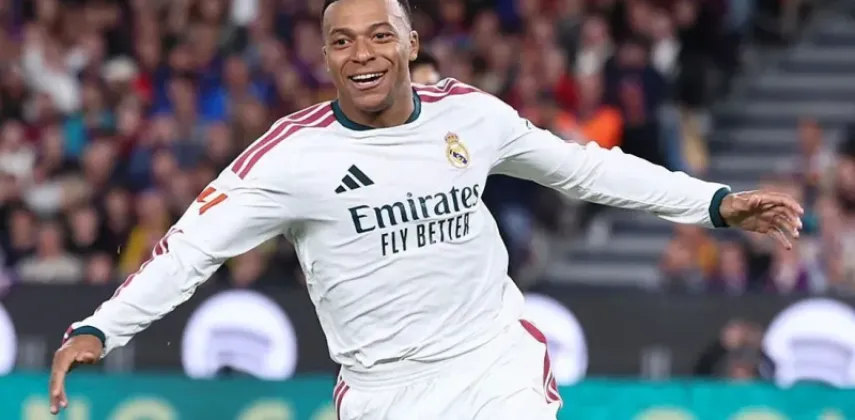
French football superstar Kylian Mbappe has publicly apologised after a remark referencing former Chinese leader Mao Zedong triggered a wave of anger in China, prompting three major Chinese companies to end their commercial partnerships with the Real Madrid forward. The comment came during an appearance on the French talk show 'The Bridge', where Mbappe was discussing an internet meme, and it quickly escalated into a full-blown reputational crisis. In an unusual move, both Real Madrid and Spain's La Liga have also issued apologies in an effort to calm the dispute, though experts warn the damage to their standing in China will not be repaired quickly.
From a Talk Show Appearance to a National Flashpoint
The controversy began when Mbappe, one of the most recognisable athletes in world football, appeared on the French talk show 'The Bridge' and made the remark about Mao Zedong while discussing an internet meme. What might have passed as a fleeting on-air exchange was seized upon by Chinese audiences, and the comment soon drew strong criticism across China, spreading rapidly through the country's highly active social media environment.
The intensity of the reaction is rooted in the special place Mao holds in Chinese public life. As the founding leader of the People's Republic of China, Mao remains a deeply revered figure, and comments perceived as mocking or disrespecting him are treated with extreme sensitivity. Foreign celebrities and companies have repeatedly found that remarks touching on China's leaders, history or national pride can ignite fierce public backlash within hours, and Mbappe's comment followed that familiar pattern.
Three Chinese Brands End Their Deals
The commercial consequences were swift and severe. According to reports from Rato Pati, Nepal Press and Gorkhapatra Online, three major Chinese companies have terminated their commercial partnerships with the French forward.
The decision reflects the enormous value these brands attach to their reputation in the domestic market. Mbappe, a World Cup winner with France and now the face of Real Madrid's attack, commands a global portfolio of endorsement deals, and Chinese partnerships form an important part of that commercial empire. When controversy strikes, however, companies frequently conclude that the safest course is to walk away rather than risk being associated with a figure who has angered Chinese consumers. Key developments in the dispute so far include:
- The remark: Mbappe referenced Mao Zedong while discussing an internet meme on the French talk show 'The Bridge'.
- The backlash: The comment drew strong criticism in China, where public anger spread quickly online.
- The apology: Mbappe issued a public apology in an attempt to defuse the situation.
- The commercial fallout: Three major Chinese companies ended their partnerships with the player.
- Institutional apologies: Real Madrid and La Liga also apologised to help calm the escalating dispute.
The speed with which the brands severed ties underlines how commercial logic dominates in such crises. Brands that stand by a controversial figure risk consumer boycotts, while those that distance themselves quickly can at least argue they have respected public sentiment. For Mbappe, the loss of three major partnerships in one of the world's largest consumer markets represents a significant financial and reputational blow.
Real Madrid and La Liga Move to Contain the Fallout
The apology from Mbappe alone did not end the matter. Real Madrid, the club where the forward plays his club football, and La Liga, Spain's top-flight league, both stepped in with their own apologies, a striking indication of how seriously the dispute was being taken behind the scenes.
Such institutional interventions are rare. Clubs and leagues generally avoid commenting on a player's individual remarks, and the decision to apologise suggests deep concern about the broader commercial implications. Football's governing bodies and biggest clubs have cultivated the Chinese market for years, viewing it as a vital source of fans, merchandise sales and sponsorship revenue. An apology from the club and the league appeared designed to reassure Chinese partners and supporters that the organisations themselves respect the sensitivities involved, and to prevent a player's individual comment from souring relationships built over decades.
A Slow Road to Recovery in China
Despite the flurry of apologies, experts caution that the episode will leave a lasting mark. According to the reports, the damage to the reputation of Mbappe and his club in China will not be repaired quickly. Public apologies may quieten the immediate anger, but rebuilding trust with Chinese consumers and commercial partners is a far longer process, particularly when the offence involves a figure of Mao Zedong's stature.
The affair stands as a cautionary tale for global sports stars and the brands that sponsor them. In China's fast-moving digital environment, a single offhand comment made on a foreign talk show can reach millions of consumers within hours and translate directly into lost partnerships. For Mbappe, the public apology marks the first step in repairing the damage, but the termination of three major deals suggests the cost of the remark will be felt well beyond this news cycle.


