
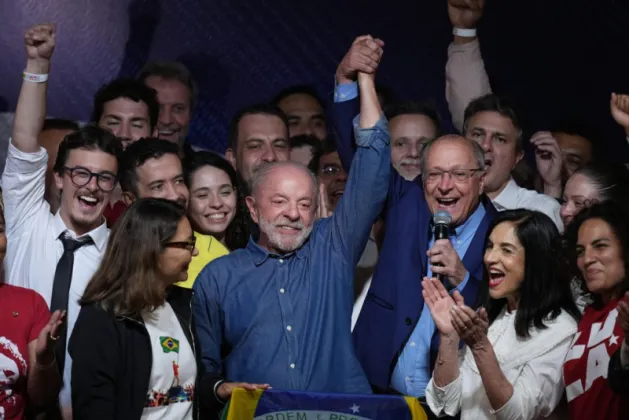
Luiz Inácio Lula da Silva won Brazil’s 2022 presidential runoff, defeating right-wing incumbent Jair Bolsonaro and returning to office for a third term. The result capped a highly contested campaign and marked a remarkable political comeback for the leftist leader, whose career has repeatedly been interrupted by setbacks. Lula’s return is historic, but it is his third presidential term, not his fourth.
A closely contested election
The election was closely fought between Lula and Bolsonaro, who represented sharply different political directions for Brazil. The contest drew international attention, with the result carrying significance beyond the transfer of power: it brought back a leader who had already governed the country and faced a long, difficult path back to the presidency.
Lula’s victory followed a campaign in which both candidates sought support from voters across a deeply divided political landscape. The election was described as highly contested, and the campaign included public exchanges between the presidential contenders. The final debate between Lula and Bolsonaro was reported as calm in tone, offering a contrast to the intensity surrounding the wider race.
The debate was part of the campaign’s closing stretch, when the candidates made their cases directly to the electorate. Lula, a veteran political figure on the left, faced Bolsonaro, a right-wing leader seeking to retain the presidency. Their contest made the election a defining moment in Brazil’s recent political history.
A historic return to office
Lula’s election represented a comeback after a period in which his political future had appeared uncertain. Reports described him as a leader repeatedly knocked down by history, yet able to return to the centre of national politics. His victory brought him back to the presidency after his earlier two terms in office, making this a third term rather than a fourth.
The return was significant because it joined Lula’s past experience in government with a fresh electoral mandate. He had previously led Brazil, and his win meant voters chose him again after a contested campaign against Bolsonaro. The result also underscored the persistence of Lula’s political support, even after the obstacles that had separated him from the presidency.
Lula’s comeback narrative was central to the reaction to the result. Rather than simply marking a change in leadership, the election closed a major chapter in his political journey and opened another. The outcome put a familiar figure back in the country’s highest office, following a campaign in which his record and his opponent’s leadership were at the centre of public debate.
The campaign’s final exchanges
The presidential race featured tense political exchanges, but the reporting on the final debate described Lula and Bolsonaro as calm. That distinction reflects the difference between the campaign’s broader intensity and the tone of its closing face-to-face encounter. The debate gave the two candidates an opportunity to present their positions as the election reached its conclusion.
Lula’s victory was therefore both an electoral result and a milestone in a long political career. He regained the presidency after a fierce contest and secured the opportunity to govern Brazil for a third time. The election’s defining image is one of return: a leader who had suffered setbacks re-emerged as the winner of a closely fought national vote.


