
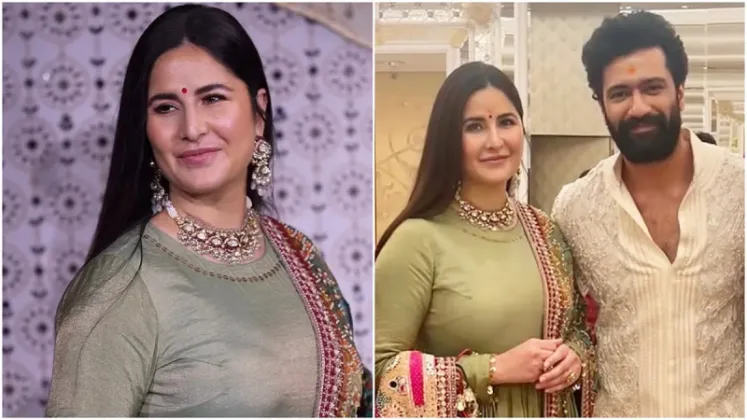
Bollywood actress Katrina Kaif has broken her silence on the social media trolling she has faced over her physical changes and weight gain after becoming a mother, saying she has no interest in meeting anyone else's timeline for how she should look. In an interview with Vogue India, the actress questioned the deep-rooted expectation that women should immediately return to their old bodies after childbirth, and said she intends to enjoy this new phase of her life without any pressure. Her comments, highlighted by Nepali news portals Ratopati and Khabarhub, reach beyond film-fan chatter and into a wider argument about how society treats women who have just given birth.
From target of trolling to voice of pushback
Kaif, who was trolled for gaining weight after becoming a mother, chose to address the criticism not by trading insults with individual commenters but by challenging the culture that produces such commentary in the first place. Social media users had closely scrutinized her appearance following her transition into motherhood, with much of the attention falling on her weight, a pattern familiar to countless women who live their lives in the public eye.
Her response, delivered through a Vogue India interview, effectively reframed the conversation. Rather than defending her body against the standards set by anonymous critics, she turned the question back on them: why should a woman be expected to erase the physical marks of childbirth as quickly as possible? According to the reports, she framed the period after becoming a parent as one to be experienced, not endured under a spotlight of judgment.
The key points of her response
- On the trolling: She responded publicly to the criticism over her physical changes and weight gain after becoming a mother, ending the speculation with a direct statement of her own.
- On the pressure: She questioned the social pressure on women to immediately return to their old bodies after childbirth, calling out an expectation she clearly views as unfair.
- On her own approach: She said she wants to enjoy this new phase of life without any pressure, making clear that her focus is the experience of motherhood itself rather than how she looks while living it.
The pressure to "bounce back"
At the center of Kaif's remarks is the so-called bounce-back culture that has long shaped the way motherhood is portrayed in popular entertainment. Women on screen and on red carpets are routinely measured against the bodies they had before pregnancy, and the clock on that judgment starts almost immediately. Magazine covers celebrate celebrities who appear unchanged within weeks of giving birth, while those who take longer are met with speculation, mockery and unsolicited advice.
Kaif's phrasing about "old bodies" cuts to the heart of that expectation. As reported, her point was not simply that she needs more time, but that the demand itself deserves to be questioned. In her telling, the rush to restore a pre-pregnancy figure says less about health or well-being than about a society uncomfortable with the natural changes that come with childbirth.
Why her words resonate
What gives the interview its weight is that the pressure she describes is not confined to celebrities. New mothers everywhere are familiar with the commentary, whether it arrives from relatives at family gatherings, colleagues at work or strangers online. The expectation to look unchanged, and quickly, sits alongside the far more demanding realities of caring for a newborn, recovering physically and adjusting emotionally to a transformed daily life.
When a globally recognized actress says she refuses to hurry, it validates women who have felt the same scrutiny but lacked a platform to name it. Her decision to speak through a major fashion magazine rather than a throwaway social media post also signals that she considers the issue worth a considered answer, not a sarcastic comeback. The response transforms what trolls intended as a personal slight into a public question about standards that millions of women are held to.
Choosing joy over judgment
The most personal note in Kaif's comments was her stated desire to simply enjoy this new phase of life. Rather than presenting motherhood as something to be survived while waiting for her former silhouette to return, she described it as a chapter worth being present for. That framing pushes back on the idea that a woman's post-childbirth value is tied to how quickly she conforms to earlier images of herself.
It is a stance that deliberately trades short-term approval for personal peace. Kaif made clear that she would rather spend this period free of pressure, internal or external, than chase a return to a body that the internet has decided she should reclaim on a deadline.
As coverage of the interview spreads through outlets such as Ratopati and Khabarhub, the immediate trolling may not disappear, but the terms of the debate have shifted. The question hanging over the conversation is no longer Katrina Kaif's weight. It is why anyone believed it was theirs to comment on in the first place, and whether the same grace extended to women like her might finally be extended to mothers everywhere.


