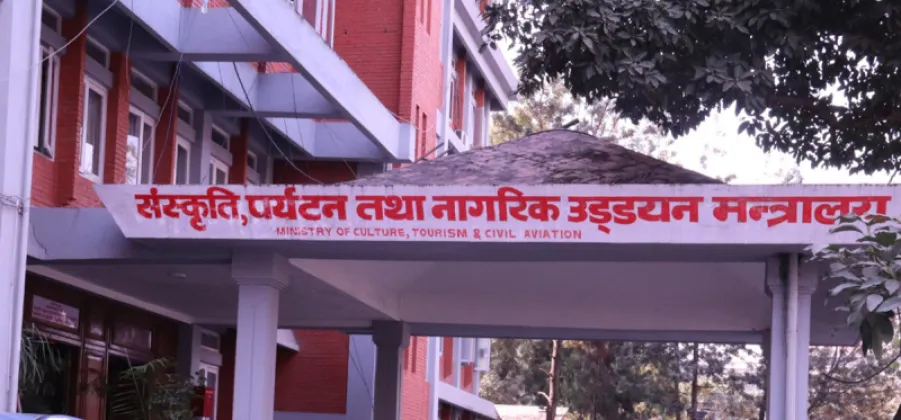
Kathmandu - Nepal's much-loved dog-honouring festival is set to reach the global digital stage, with the Ministry of Culture, Tourism and Civil Aviation organising the first-ever 'Kukur Tihar Reel Competition-2026' to promote the country's indigenous festivals, culture and traditions internationally through digital media. The creator of the best reel will walk away with a cash prize of one lakh rupees, according to reports published by Nepali media on Tuesday, November 3, 2026.
The initiative follows the emphasis placed by Minister for Culture, Tourism and Civil Aviation Khadga Raj Paudel 'Ganesh' on the digital promotion of Nepali tourism, and it marks the first time a reel competition has been organised around the Kukur Tihar festival.
A Digital Push from the Tourism Ministry
The competition is being taken forward by the ministry itself, which according to a report by Nagarik News plans to hold the event to promote tourism. Nepal Press similarly reported that the first-ever competition will carry a one lakh rupee prize for the best creation.
The move reflects the growing weight of short-form video in global communication. Reels and similar formats have become among the most widely consumed types of content worldwide, and festivals in particular lend themselves to the format, offering colour, ritual, music and emotion in a matter of seconds. By inviting creators to point their cameras at Kukur Tihar, the ministry is looking to tap into that reach in line with Minister Paudel's stated focus on taking Nepali tourism to audiences through digital platforms.
For a country whose festivals have long been a major draw for visitors, packaging cultural celebrations in a format built for sharing represents a shift in how the tourism message is delivered. Rather than relying solely on conventional campaigns, the ministry appears to be positioning user-generated video as a vehicle for showcasing traditions that are deeply local but universally appealing.
Why Kukur Tihar?
Kukur Tihar is observed during Tihar, Nepal's festival of lights, which is celebrated over five days and is regarded as the country's second-largest festival after Dashain. The day, which falls on the second day of the festival, is dedicated entirely to dogs, animals that hold a place of respect in Nepali culture for their loyalty and their role as guardians of homes, herds and property.
On Kukur Tihar, dogs across the country are honoured with marigold garlands, red tika applied to their foreheads and offerings of their favourite foods, in a celebration of the bond between humans and dogs. The day is also known as Khicha Puja in the Newar community. The striking visuals of garlanded and worshipped dogs have long attracted curiosity from international audiences, giving the festival a rare, instantly recognisable identity that translates naturally into video storytelling.
What Is Known About the Competition
Based on the information made public so far:
- The event is the first-ever 'Kukur Tihar Reel Competition-2026'.
- It is intended to promote Nepal's indigenous festivals, culture and traditions internationally through digital media.
- The initiative is being organised under the Ministry of Culture, Tourism and Civil Aviation.
- A prize of one lakh rupees will be awarded for the best reel creation.
- The competition follows the emphasis Minister Paudel has placed on the digital promotion of Nepali tourism.
With a headline prize of one lakh rupees for the single best creation, the competition is designed around content centred on the festival and, by extension, on the wider tapestry of Nepal's indigenous celebrations that the ministry hopes to carry to viewers beyond the country's borders.
Details Still Awaited
Further details of the event were not provided in the initial reports. Questions that remain unanswered include who is eligible to participate, how and where reels must be submitted, what the judging criteria will be, and when the winner will be announced. Prospective participants will therefore have to wait for a detailed notice from the ministry before preparing their entries.
For now, the announcement stands as a clear signal of intent. As Nepali festivals increasingly circulate on global social feeds, the government has chosen Kukur Tihar, with its universally adored subjects and deeply local roots, as the festival to anchor the first competition of its kind. How effectively the contest converts online attention into wider interest in Nepal's culture and tourism will become clearer once the organisers release the full framework and the first reels begin to circulate.