
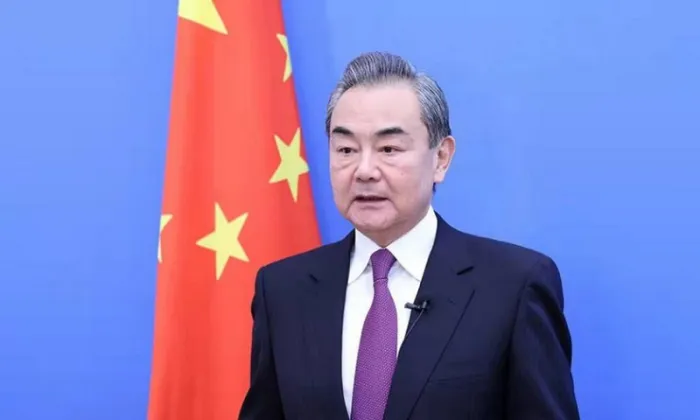
China’s top diplomat told a senior Iranian official in Beijing on Monday that China supports Tehran in defending Iran’s sovereignty and security, as the risk of renewed US attacks rises. The meeting came after US President Donald Trump said on Saturday that the United States had destroyed most of Iran’s military capability, with only one or two targets remaining. Tehran has warned it would retaliate if attacked.
The Chinese statement places Beijing’s support for Iran’s sovereignty and security at the centre of the latest diplomatic exchange. It comes at a moment when public comments from Washington and Tehran point to the possibility of further confrontation. Trump’s remarks described extensive damage to Iran’s military capability, while Iran’s warning made clear that an attack could prompt a response.
Beijing voices support for Iran
The meeting took place in Beijing on Monday between China’s top diplomat and a senior Iranian official. According to the report on the talks, the Chinese side said Beijing supports Iran in defending its sovereignty and security. The exchange focused on Iran’s right to protect those interests, as tensions around the possibility of renewed US action remain high.
The support was expressed in a diplomatic dialogue rather than in a reported announcement of any new military or security measure. The available details do not specify further commitments or describe additional agreements reached at the meeting. The central message reported from Beijing was China’s backing for Iran’s sovereignty and security.
That distinction is important in understanding what was made public. The reported position signals support for Tehran’s stated interests, but the information available does not establish that China promised particular assistance or set out a response to any future attack. The talks instead put Beijing’s diplomatic stance on record while the risks of escalation were being discussed.
Trump’s remarks and Tehran’s warning
The meeting followed Trump’s statement on Saturday that US forces had destroyed most of Iran’s military capability and had one or two targets remaining. His comments indicated that Washington viewed its actions as having significantly reduced Iran’s military capacity. They also added to concern about whether further US attacks could follow.
Tehran, for its part, has warned of retaliation if it is attacked. The warning sets out Iran’s stated response in the event of renewed military action, although the available information does not provide details about what form that retaliation might take. Together, the US president’s remarks and Iran’s warning underscore the heightened stakes surrounding any further confrontation.
The timing of the Beijing meeting therefore places China’s message against a backdrop of sharply contrasting positions: Trump’s description of damage to Iran’s military capability and Tehran’s threat to respond if attacked. China’s support for Iran’s sovereignty and security was conveyed as those tensions continued. The information reported from the meeting does not indicate that the talks changed either Washington’s position or Tehran’s warning.
Diplomatic message amid uncertainty
The reported exchange offers a clear statement of Beijing’s position, but leaves open how events might develop. No further details were provided about the discussion, any next steps, or whether the three governments would hold additional talks. The immediate context remains the risk that renewed US attacks could lead to retaliation from Iran.
For now, the main outcome reported from Beijing is China’s expressed support for Iran’s sovereignty and security. That message came as Washington’s public assessment of Iran’s military capability and Tehran’s warning of retaliation kept attention focused on the prospect of further escalation. The meeting adds a diplomatic dimension to the crisis, but the available details do not suggest that it resolved the tensions between the United States and Iran.


