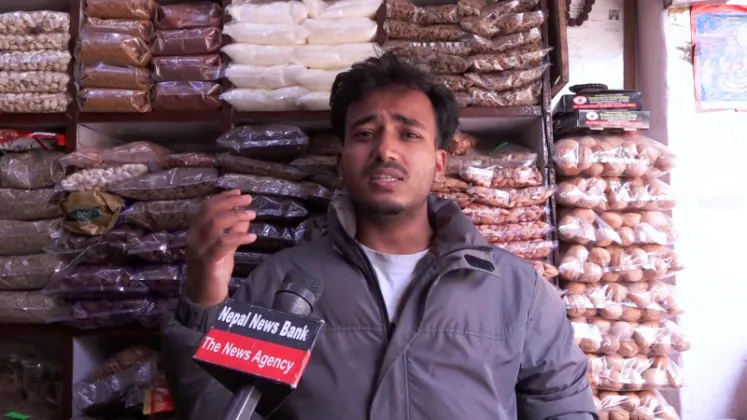
The Nepali market has entered the Tihar season with a familiar double movement: imports of bhaimasala and dry fruits have surged, and so have their prices. According to local media reports, traders stepped up imports of the festival staple in the days leading up to Tihar, targeting the surge in household demand around the festival. However, disruptions in the supply chain pushed retail rates upward in Kathmandu and other cities, and the price per kilogram of bhaimasala and dry fruits now stands above the level seen at the same time last year. The combination of heavier imports and costlier shelves is shaping up as one of the notable features of this year's festival market.
Imports rise as traders target festival sales
As reported by Pradesh Khabar, traders increased imports of bhaimasala and dry fruits specifically with the Tihar season in mind. The items are an essential part of the Bhai Tika celebration, which falls at the close of the five-day festival, and demand for them concentrates sharply in the weeks and days before the ritual. Traders typically prepare for this seasonal spike by bringing in larger volumes than usual, and this year has been no exception.
The higher import activity reflects the predictable rhythm of the festival economy. Retailers and wholesalers alike build up stock in advance so that shops in Kathmandu and other urban centers can meet the rush of last-minute buyers. Bhaimasala and dry fruits are purchased by households across the country for the tika ceremony, making them one of the few goods whose demand is concentrated into a very short selling window rather than spread through the year.
Prices climb above last year's levels
The extra volume flowing into the market, however, has not translated into cheaper prices. On the contrary, Nepal Views reported that both the import and the price of bhaimasala increased during the Tihar period. Compared with last year, the price per kilogram has risen, according to the reports, meaning shoppers are paying more for the same festival basket than they did twelve months ago.
The reports did not point to a single cause for the increase, but they linked the upward pressure on prices to disruptions in supply. In a market that depends on goods arriving on time from outside, any break in the chain between importers and shop shelves quickly shows up at the counter, particularly for items whose selling season lasts only a few weeks.
Supply disruptions push rates up in Kathmandu and beyond
The price rise has been felt in Kathmandu and in other parts of the country, the reports noted. Supply disruptions have made it harder for the increased volume of imports to translate into smooth availability at the retail level, and the resulting tightness has pushed prices upward at exactly the moment when buyers are heading to the market in the largest numbers.
For a seasonal product, timing is everything. Bhaimasala and dry fruits have limited appeal outside the festival period, so traders who face delays in getting stock to market have little room to spread out sales over time. That compressed timeline amplifies the effect of any disruption, whether at the point of import, in transportation, or in distribution to retail shops in the capital and elsewhere.
A short, sharp selling season
The structure of the market adds to the pressure. Key points from the reporting include:
- Traders raised imports of bhaimasala and dry fruits specifically targeting the Tihar festival.
- Supply disruptions prevented the higher inflow from keeping prices in check.
- Retail prices in Kathmandu and other cities increased as a result.
- Per-kilogram prices are higher than at the same time last year.
This pattern, in which imports and prices rise together rather than moving in opposite directions, underscores how sensitive festival goods are to the condition of the supply chain rather than simply to the volume of goods available.
Bhaimasala and the Bhai Tika tradition
The prominence of bhaimasala in the festival market is rooted in the ritual it serves. On Bhai Tika, the final day of Tihar, sisters honor their brothers with tika and offerings, and packets of masala and dry fruits are a customary part of the exchange. The items carry both ritual and gifting value, which is why households buy them regardless of price and why demand holds firm even when rates climb.
That cultural weight is what makes the annual market movement around these goods worth tracking. Unlike everyday groceries, bhaimasala and dry fruits are bought once, in bulk, at a specific time, and their prices become a small but visible part of every family's festival budget. When per-kilogram rates rise year on year, as they have this time, the increase is felt by a broad cross-section of households rather than by a narrow group of buyers.
Consumers face a costlier festival basket
For shoppers, the practical effect is straightforward: the same Bhai Tika shopping list costs more this year than last. Families preparing for the ritual in Kathmandu and other cities will encounter higher per-kilogram rates on bhaimasala and dry fruits, on top of the general expense of the festival season. Retailers, meanwhile, are working through the season with stock that cost more to bring in and deliver.
The reports did not indicate when supply would normalize or whether prices would soften as the festival proceeds. What is clear is that the combination of strong festival-focused imports and supply-side disruptions has defined this year's market for one of Tihar's most symbolic goods. As the Bhai Tika day approaches and demand reaches its peak, the market for bhaimasala and dry fruits will remain a telling snapshot of how Nepal's festival economy absorbs both high demand and a strained supply chain at the same time.